
Moving your vehicle across state lines? Car Sure Path Transport helps customers arrange state-to-state auto transport for relocations, vehicle purchases, seasonal moves, and other long-distance shipping needs. Explore flexible open and enclosed carrier options for interstate transportation.
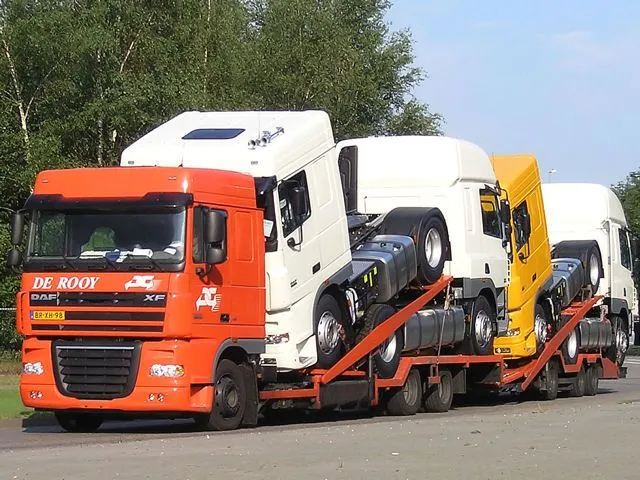
Moving a vehicle from one state to another can be a significant part of relocating, purchasing a car, or managing transportation needs for your family or business.
Driving long distances may involve fuel expenses, hotel stays, meals, additional mileage, and time away from other responsibilities.
State-to-state auto transport offers an alternative by allowing a vehicle to travel on a specialized carrier rather than being driven for the entire journey.
At Car Sure Path Transport, we help customers in Sunland, California, and other supported locations explore interstate car shipping arrangements suited to their routes, schedules, and vehicle requirements.
Whether you are moving from California to Arizona, relocating to Texas, or planning a longer cross-country shipment, understanding your transportation options can make the process easier.
State-to-state auto transport is the transportation of a vehicle between locations in different U.S. states.
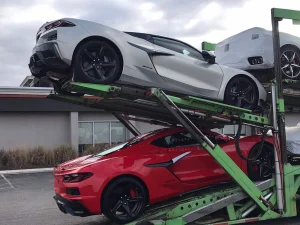
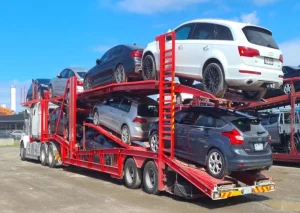
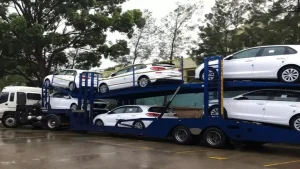
Vehicles are typically moved using specialized car carrier trailers designed to transport passenger cars, SUVs, trucks, and certain specialty automobiles.
Customers may select open or enclosed shipping depending on their vehicle and protection preferences.
Open transport is generally the more economical choice for everyday vehicles, while enclosed transport provides additional protection from weather exposure and road debris.
Interstate shipping arrangements can also include door-to-door pickup and delivery, subject to carrier access and route availability.
The right combination of services depends on the vehicle being shipped, its destination, transportation distance, and customer preferences.
One major advantage of interstate car transport is convenience.
Instead of driving hundreds or thousands of miles, customers can arrange for their vehicles to be transported while they travel separately.
This is especially useful during household relocations when families are already coordinating moving companies, travel plans, housing arrangements, and work schedules.
Shipping a vehicle can also help avoid adding long-distance mileage to its odometer.
For customers purchasing vehicles from out-of-state dealerships or private sellers, interstate transportation makes it possible to receive a car without personally traveling to collect it.
Businesses may also use state-to-state shipping when transferring company vehicles or arranging transportation between facilities.
Although vehicle shipping has a cost, comparing a carrier quote with the total expenses of driving can help customers determine which option is more practical.
The distance between pickup and delivery locations is one of the most important factors affecting interstate auto transport pricing.
Longer journeys usually involve greater total transportation costs, although the cost per mile can vary.
Vehicle size and weight also matter. Larger SUVs, pickup trucks, and oversized vehicles may occupy more carrier space or require additional arrangements.
The type of trailer affects pricing as well. Enclosed shipping generally costs more than open transportation.
Seasonal demand, fuel costs, route popularity, pickup accessibility, and scheduling flexibility can also influence the final quote.
Customers with flexible pickup dates may have additional transportation options, depending on available carrier capacity.
For the most accurate estimate, provide complete and correct information about the vehicle, origin, destination, and preferred shipping timeframe.
Interstate delivery times depend on transportation distance and operating conditions.
A shipment between neighboring states may require only a few days of transit, while a cross-country journey can take substantially longer.
Carrier availability, loading schedules, traffic, weather conditions, road closures, and required driver rest periods can all affect delivery estimates.
Pickup scheduling and transportation time are also separate considerations. A carrier may need time to become available before the vehicle begins its journey.
Customers should review the estimated pickup and delivery windows before confirming a shipment.
Unless expressly agreed in writing, estimated delivery dates should not be treated as guarantees.
Proper preparation can help reduce delays and make the vehicle inspection process easier.
Start by cleaning the exterior so that existing scratches, dents, or other visible conditions can be documented.
Take clear photographs of the vehicle from several angles before pickup.
Remove personal belongings and unsecured accessories, as carriers may restrict items stored inside the vehicle.
Check the battery, tires, and fluid levels. Inform the transport provider if the vehicle is inoperable or has mechanical issues that may affect loading.
Maintain the fuel level recommended by the assigned carrier, often around one-quarter of a tank.
Make sure the driver or authorized representative can access the vehicle and any necessary keys.
Finally, arrange for an adult representative to be available at pickup and delivery if you cannot attend personally.
Start by requesting a quote from Car Sure Path Transport. Provide your vehicle details, pickup location, destination, and preferred shipping dates.
After reviewing available options, you can select the transportation method that best fits your requirements.
Once the shipping arrangements are confirmed, prepare the vehicle for pickup and complete the necessary inspection.
The assigned carrier transports the vehicle along its scheduled route.
At the destination, inspect the vehicle, compare its condition with the original inspection report, and complete the delivery documentation.
Car Sure Path Transport focuses on helping customers understand and arrange vehicle shipping solutions without unnecessary complications.
We recognize that interstate transportation involves several decisions, including selecting the carrier type, comparing costs, reviewing estimated delivery windows, and coordinating pickup and delivery.
Our goal is to provide clear information so customers can make informed choices about their vehicle shipments.
Planning an interstate move or purchasing a vehicle from another state?
Contact Car Sure Path Transport at (818) 698-2736 or visit carsurepathtransport.com to explore your state-to-state auto transport options.
Find answers to some common questions about car shipping and vehicle transportation.
Car shipping costs depend on transportation distance, vehicle size, carrier type, route availability, and seasonal demand. Open transport is generally more economical than enclosed shipping. Contact Car Sure Path Transport for a quote based on your shipment details.
Shipping time varies according to the distance, route, traffic, weather, and carrier scheduling. Shorter routes may take a few days, while cross-country transportation generally takes longer. Estimated pickup and delivery windows should be confirmed before booking.
Open transport moves vehicles on an uncovered carrier and is commonly used for standard passenger vehicles. Enclosed transport uses a covered trailer to provide additional protection from environmental exposure, making it popular for luxury, classic, and specialty cars.
You or an authorized adult representative should generally be available to release and receive the vehicle, review its condition, and complete the required inspection paperwork.
Remove personal belongings and loose accessories, clean the vehicle for inspection, photograph its condition, check for leaks, and keep the fuel level at approximately one-quarter of a tank unless your carrier provides different instructions.