
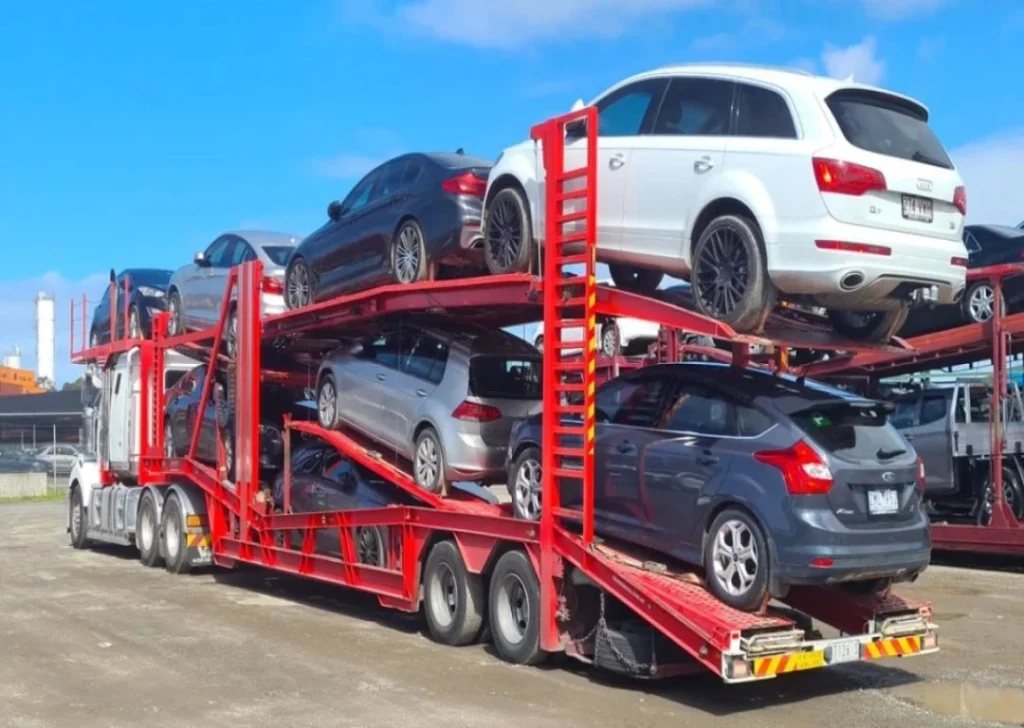
If you are planning to transport a vehicle, one of your first questions is probably, “How much does it cost to ship a car?”
The answer depends on several factors, including the distance between pickup and delivery locations, vehicle size, transportation method, and shipping schedule.
Whether you are moving across California or relocating to another state, understanding how auto transport pricing works can help you plan your budget and choose the right service.
1. Shipping Distance
Distance is one of the biggest factors affecting vehicle transportation costs.
Generally, longer routes have higher total shipping prices because they require more driving time, fuel, and transportation resources.
However, the price per mile may be lower on longer, well-traveled routes than on shorter or less accessible routes.
For example, shipping a car between major metropolitan areas may provide more carrier options than transporting a vehicle between two remote communities.
2. Open vs. Enclosed Transport
The type of carrier you choose can significantly affect your shipping quote.
Open car transport is usually the more affordable option. Vehicles are loaded onto an open-air carrier that can accommodate multiple automobiles.
Enclosed transport uses a covered trailer and provides additional protection from weather exposure and road debris.
Because enclosed trailers typically carry fewer vehicles and may involve specialized equipment, they generally cost more.
For standard everyday vehicles, open transportation is often a practical choice. Owners of classic, luxury, or specialty vehicles may prefer enclosed shipping.
3. Vehicle Size and Weight
Larger and heavier vehicles can cost more to transport.
A compact sedan generally occupies less carrier space than a large SUV or pickup truck.
Oversized vehicles, modified automobiles, and vehicles with unusual dimensions may require special arrangements.
Always provide accurate vehicle information when requesting a quote.
4. Seasonal Demand
Vehicle shipping prices can change throughout the year.
Demand may increase during major moving seasons, holidays, and periods when seasonal residents relocate between states.
Carrier availability can also fluctuate depending on the route and time of year.
If your schedule is flexible, requesting quotes for different pickup windows may help you compare available options.
5. Pickup and Delivery Locations
Shipping between major cities is often easier to arrange than transportation involving remote areas.
Popular routes generally have more frequent carrier traffic.
Remote pickup or delivery locations may require additional driving or scheduling coordination, which can influence pricing.
Door-to-door shipping is convenient, but carrier access restrictions may require meeting at a nearby suitable location.
6. Vehicle Condition
An operable vehicle is usually easier to load and unload than one that cannot move under its own power.
Inoperable vehicles may require additional equipment and coordination.
If your vehicle does not start, steer, roll, or brake normally, disclose this information before booking.
Tips for Getting a Better Car Shipping Quote
To compare transportation options effectively, request a quote with accurate vehicle details and pickup information.
Consider open transport if your vehicle does not require enclosed protection. Provide flexible pickup dates when possible, and review the full quote to understand which services and charges are included.
Avoid selecting a transportation provider based only on the lowest advertised price. Review the service terms, payment requirements, and estimated delivery window.
Final Thoughts
Car shipping prices depend on the details of each shipment. Rather than relying on a generic estimate, the best approach is to request a quote based on your specific route and vehicle.
Car Sure Path Transport helps customers explore open, enclosed, door-to-door, and interstate shipping options.
Ready to compare your options? Call (818) 698-2736 or visit carsurepathtransport.com to request your car shipping quote.